
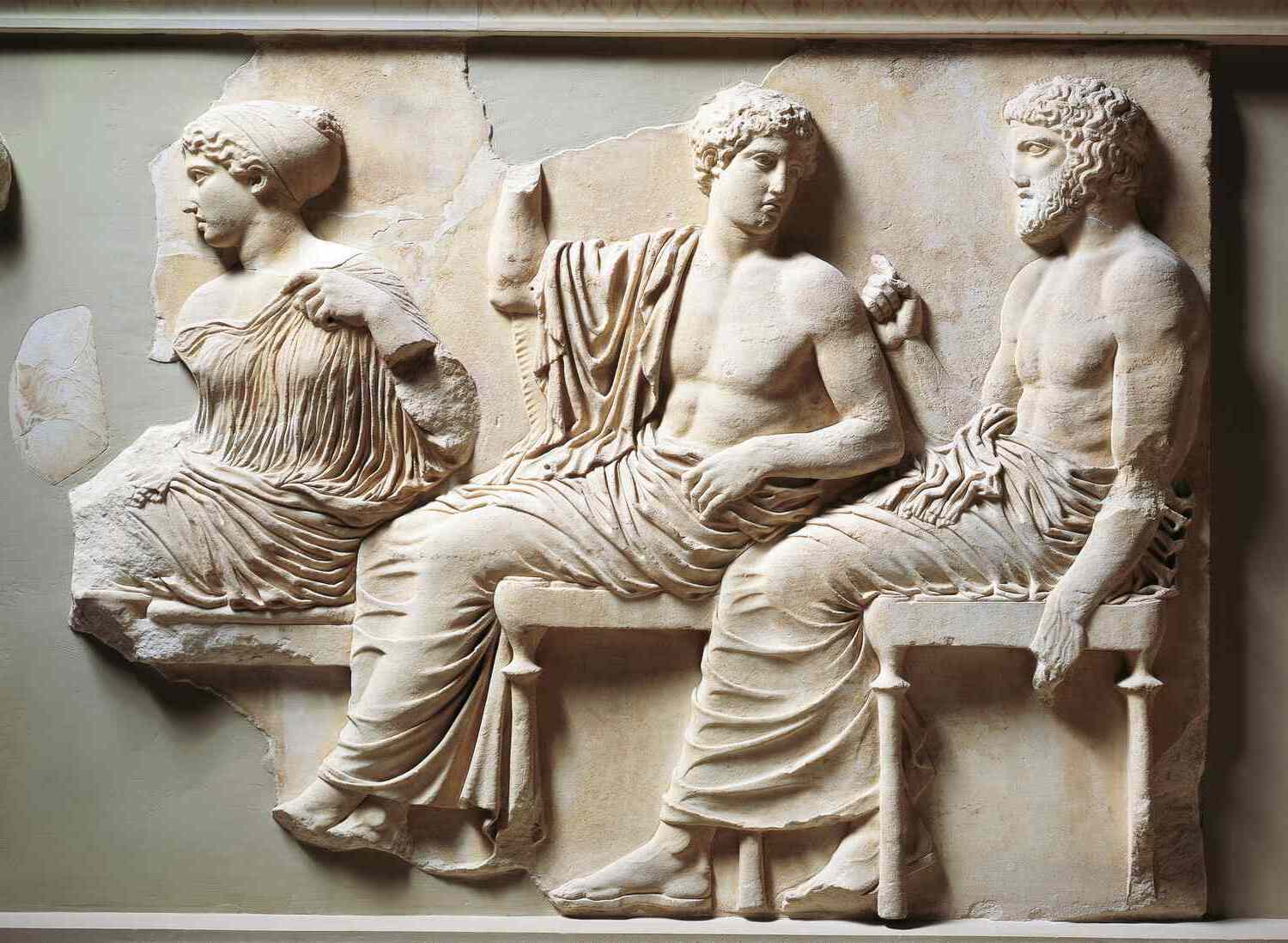
Greek Sculpture Quiz
 by Dale WaddellPublished: June 8, 2026
Share


Step into the world of ancient Greece, where art and sculpture flourished like never before. This quiz will challenge your knowledge of the magnificent statues, intricate carvings, and the master sculptors who brought them to life. Ready to see how much you know about these timeless masterpieces? Let’s get started and see if you can sculpt a perfect score!
We recommend that you do not leave the page that you are taking this quiz in. Stay honest 🙂
Greek Sculpture Quiz Questions Overview
1. Who is considered the master sculptor of the Parthenon sculptures?
Phidias
Polykleitos
Myron
Praxiteles
2. Which period is known for the ‘Kouros’ and ‘Kore’ statues?
Archaic
Classical
Hellenistic
Geometric
3. What is the primary characteristic of Hellenistic sculpture?
Idealized forms
Emotional expression
Rigid postures
Simplistic design
4. Which famous statue is attributed to the sculptor Praxiteles?
Venus de Milo
Laocoön and His Sons
Hermes and the Infant Dionysus
Discobolus
5. What material was commonly used for large Greek statues during the Classical period?
Marble
Bronze
Wood
Terracotta
6. The ‘Discobolus’ or ‘Discus Thrower’ is a famous work by which sculptor?
Myron
Polykleitos
Phidias
Lysippos
7. Which sculpture is considered one of the greatest masterpieces of the Hellenistic period?
Venus de Milo
Laocoön and His Sons
Winged Victory of Samothrace
Hermes and the Infant Dionysus
8. What is the primary subject of the Parthenon frieze?
The Panathenaic procession
The Battle of Marathon
The Birth of Athena
The Labors of Heracles
9. Which sculptor is known for the ‘Doryphoros’ or ‘Spear Bearer’?
Polykleitos
Phidias
Myron
Lysippos
10. What innovation is Lysippos credited with in the realm of Greek sculpture?
Introducing a more slender and elongated form
Using marble instead of bronze
Depicting only mythological subjects
Creating sculptures in motion
11. What is the significance of the ‘Kritios Boy’ in Greek sculpture?
It represents the first use of contrapposto
It is the first bronze sculpture
It depicts a mythological scene
It is the largest Greek statue
12. Which period is known for the development of naturalistic and idealized human forms in sculpture?
Classical
Archaic
Hellenistic
Geometric
13. What is the primary feature of the ‘Venus de Milo’ that makes it stand out?
Its missing arms
Its intricate base
Its detailed facial expression
Its original paint
14. Which sculptor is credited with creating the ‘Aphrodite of Knidos’?
Praxiteles
Phidias
Polykleitos
Myron
15. What is the significance of the ‘Winged Victory of Samothrace’?
It commemorates a naval victory
It is the largest Greek statue
It depicts a mythological battle
It was created by Phidias
16. What is a common characteristic of sculptures from the Geometric period?
Abstract and stylized forms
Realistic human proportions
Emotional expressions
Detailed drapery
We recommend that you do not leave the page that you are taking this quiz in. Stay honest 🙂
Can Your Friends Do Better Than You in This Quiz?
Share this quiz with your friends and compare results.


Was this page helpful?
More Popular Art Quizzes:
-
 Top Quiz
Photography Quiz
-
 Top Quiz
UNESCO Dance Quiz
-
 Top Quiz
Grant Wood Art Style Quiz
-
 Top Quiz
Architecture Quiz
-
 Top Quiz
Art Principles Quiz
-
 Top Quiz
Dadaism Quiz
More Interesting Quizzes For You:
-
 Top Quiz
Catholic Trivia Quiz
-
 Top Quiz
Eating Disorders Quiz
-
 Top Quiz
DEI Quiz
-
 Top Quiz
Hercules Quiz
-
 Top Quiz
Dihybrid Cross Quiz
-
 Top Quiz
90s Music Quiz