
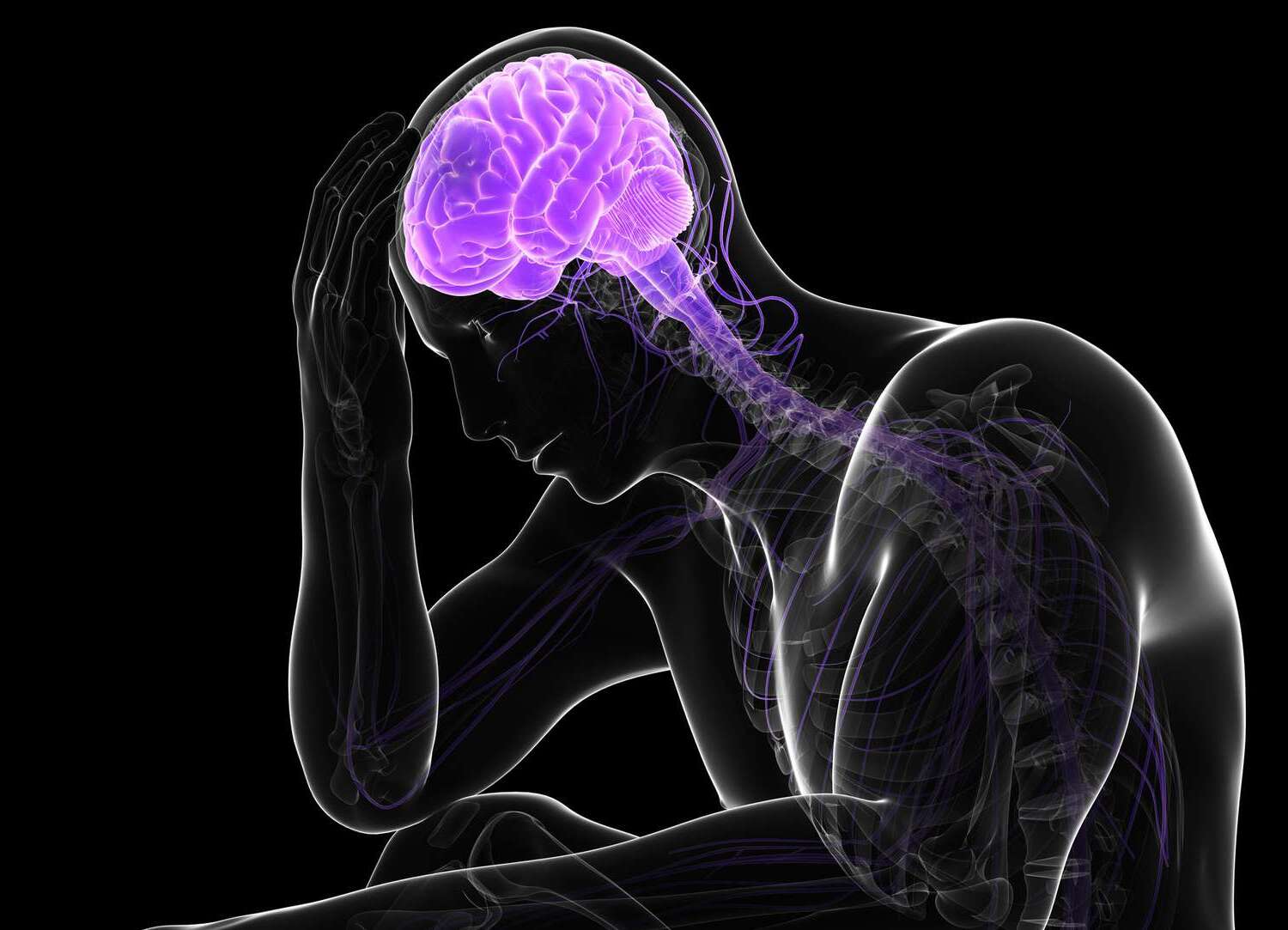
Increased ICP Quiz
 by Hashim BeverlyPublished: June 6, 2026
Share


Understanding the intricacies of Increased Intracranial Pressure (ICP) is vital for healthcare professionals and students alike. This quiz will challenge your knowledge on the causes, symptoms, and management of ICP, helping you to solidify your understanding and prepare for real-world applications. Sharpen your skills and see how much you know about this critical medical condition!
We recommend that you do not leave the page that you are taking this quiz in. Stay honest 🙂
Increased ICP Quiz Questions Overview
1. What is a common early symptom of increased intracranial pressure?
Severe headache
Sudden weight loss
Nausea and vomiting
Increased appetite
2. Which of the following is NOT a cause of increased intracranial pressure?
Brain tumor
Hydrocephalus
Hyperthyroidism
Traumatic brain injury
3. Which diagnostic tool is commonly used to measure intracranial pressure?
Electrocardiogram (ECG)
Intracranial pressure monitor
Spirometer
Otoscope
4. What is the normal range of intracranial pressure in adults?
0-10 mm Hg
5-15 mm Hg
15-25 mm Hg
25-35 mm Hg
5. Which of the following is a potential complication of untreated increased intracranial pressure?
Brain herniation
Hyperglycemia
Hypertension
Hypothyroidism
6. Which medication is commonly used to reduce intracranial pressure?
Mannitol
Insulin
Lisinopril
Metformin
7. What is the primary purpose of a ventriculostomy in the management of increased ICP?
To measure blood pressure
To drain cerebrospinal fluid
To administer medication
To monitor heart rate
8. Which of the following is an indicator of increased intracranial pressure in infants?
Bulging fontanelle
Frequent urination
Rapid weight gain
Increased appetite
9. Which imaging technique is often used to identify the cause of increased intracranial pressure?
MRI
X-ray
Ultrasound
Mammography
10. What is Cushing’s triad, a clinical sign of increased intracranial pressure?
Hypertension, bradycardia, irregular respiration
Hypotension, tachycardia, regular respiration
Hypertension, tachycardia, irregular respiration
Hypotension, bradycardia, regular respiration
11. Which condition is a common cause of increased intracranial pressure in children?
Hydrocephalus
Diabetes
Hypertension
Hyperthyroidism
12. Which intervention is NOT typically used to manage increased intracranial pressure?
Elevating the head of the bed
Hyperventilation
Fluid restriction
Insulin therapy
13. What is the primary goal in the treatment of increased intracranial pressure?
To reduce brain swelling
To increase blood pressure
To enhance appetite
To improve kidney function
We recommend that you do not leave the page that you are taking this quiz in. Stay honest 🙂
Can Your Friends Do Better Than You in This Quiz?
Share this quiz with your friends and compare results.


Was this page helpful?
More Popular Health & Wellness Quizzes:
-
 Top Quiz
Cerebral Palsy Quiz
-
 Top Quiz
Doctor Quiz
-
 Top Quiz
Fall Prevention Quiz
-
 Top Quiz
Kidney Stone or UTI Quiz
-
 Top Quiz
Serotonin Syndrome Quiz
-
 Top Quiz
Muscles Quiz
More Interesting Quizzes For You:
-
 Top Quiz
Genshin Element Quiz
-
 Top Quiz
Europe 1914 Map Quiz
-
 Top Quiz
Impurity Test Quiz
-
 Top Quiz
MacBook Quiz
-
 Top Quiz
Video Game Music Quiz
-
 Top Quiz
Cybersecurity Analyst Quiz